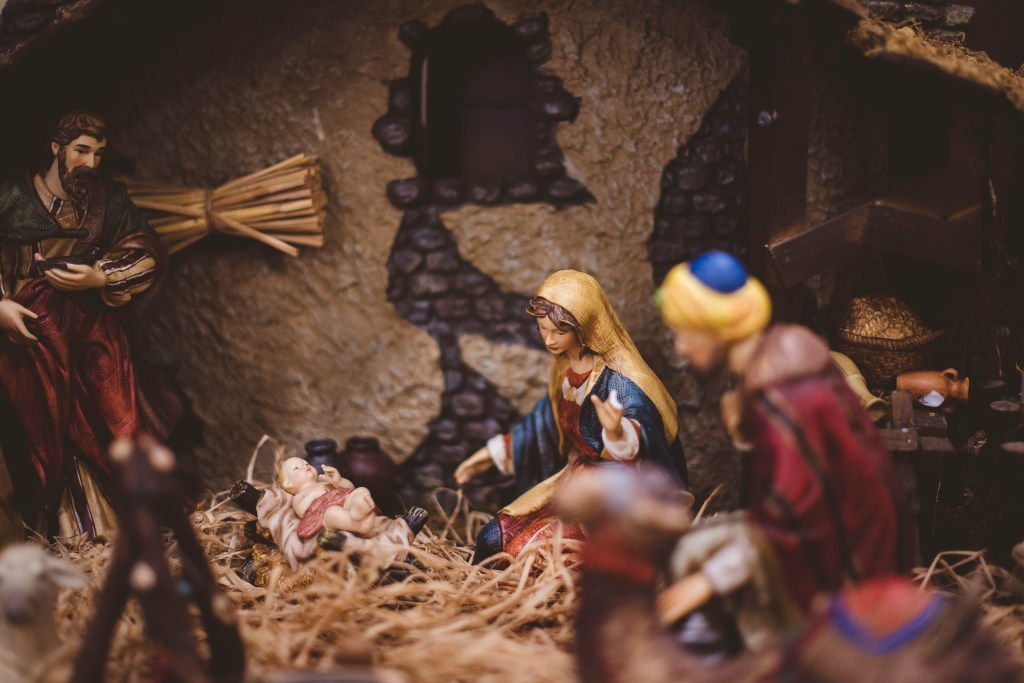
The Filipino Catholic faith is beautifully expressed in the traditions of Simbang Gabi and Misa de Gallo, two celebrations that intertwine spirituality, culture, and community. While these terms are often used interchangeably, they hold unique historical and liturgical significance, and together, they form a vibrant tapestry of the Filipino Christmas experience.
Simbang Gabi: A Novena of Preparation and Joy
Simbang Gabi, meaning “Night Mass” in Filipino, refers to the nine consecutive days of Masses held from December 16 to December 24. This tradition, introduced by Spanish missionaries during the colonial period, was adapted to accommodate farmers who worked in the fields during the day. Held at dawn, the Masses provided a way for them to fulfill their spiritual obligations.
Spiritual Significance
Simbang Gabi is a novena of preparation for Christmas. The nine days symbolize the nine months of Mary’s pregnancy, reflecting the joyful anticipation of Christ’s birth. It is also an expression of deep faith, as many Filipinos sacrifice sleep to attend Mass, believing that completing all nine Masses can bring special blessings or answered prayers.
Customs and Practices
Liturgical Themes:
Each Simbang Gabi Mass has readings and prayers focusing on hope, joy, and anticipation. While Advent typically omits the Gloria, it is sung during these Masses to reflect their celebratory tone.
Community and Fellowship:
After Mass, parishioners gather to share traditional Filipino delicacies like bibingka and puto bumbong, creating a festive atmosphere that strengthens community bonds.
Adaptations:
Though traditionally held at dawn, many parishes now offer anticipated evening Masses for those unable to attend in the morning.
Misa de Gallo: The Rooster’s Mass
The term Misa de Gallo, or “Rooster’s Mass,” refers specifically to the dawn Mass on Christmas Day, marking the celebration of Christ’s birth. This name originates from Spain and reflects the tradition of early morning worship, symbolized by the crowing of roosters.
Historical Roots
In its strict sense, Misa de Gallo is part of the Christmas liturgy. However, in the Filipino context, it has also come to describe the dawn Masses of Simbang Gabi. This blending of terms highlights how Filipino traditions have adapted Catholic practices to reflect local culture.
Simbang Gabi prepares the faithful for the joy of Christmas, while Misa de Gallo marks the culmination of this preparation, celebrating the fulfillment of God’s promise.
Cultural and Spiritual Significance
Both Simbang Gabi and Misa de Gallo highlight the Filipino people’s deep faith and communal spirit:
1. Sacrifice and Devotion:
Rising early or attending late evening Masses demonstrates a willingness to make sacrifices for spiritual growth.
2. Community and Tradition:
The shared experience of Mass and the enjoyment of local delicacies foster unity and reflect the warmth of Filipino hospitality.
3. Symbolism:
Decorations like the parol (star lantern) symbolize the Star of Bethlehem, while the belen (Nativity scene) reminds the faithful of the humble beginnings of Christ.
The Timeline of Advent and Christmas
The traditions of Simbang Gabi and Misa de Gallo are rooted in the Church’s liturgical calendar:
• Advent Season:
Beginning on the Sunday closest to November 30, Advent is a time of preparation and hope. It ends on the evening of December 24, giving way to the Christmas season.
• Simbang Gabi:
Held from December 16 to December 24, it reflects the joyful anticipation of Christmas.
• Misa de Gallo:
Celebrated at dawn on December 25, it is the first Mass of Christmas Day, marking the birth of Christ.
The true meaning of Simbang Gabi and Misa de Gallo lies in their ability to bring the faithful closer to Christ. These traditions encourage vigilance, sacrifice, and communal joy, all while celebrating the profound mystery of the Incarnation. For Filipinos, they are not just rituals but heartfelt expressions of faith, hope, and love during the most wonderful time of the year.
May these traditions inspire us to deepen our faith and live the true spirit of Christmas, not only during this season but throughout the year.


 The Rosary Dad
Leave a comment